
How Accurate Are DNA Paternity Tests? Understanding the Science Behind the Results
Understanding DNA Paternity Tests
DNA paternity tests have become a highly reliable method for determining biological relationships. These tests analyze specific regions in the DNA to assess whether there is a match between the child and the alleged father. But how accurate are they, and what goes on behind the scenes in these tests?
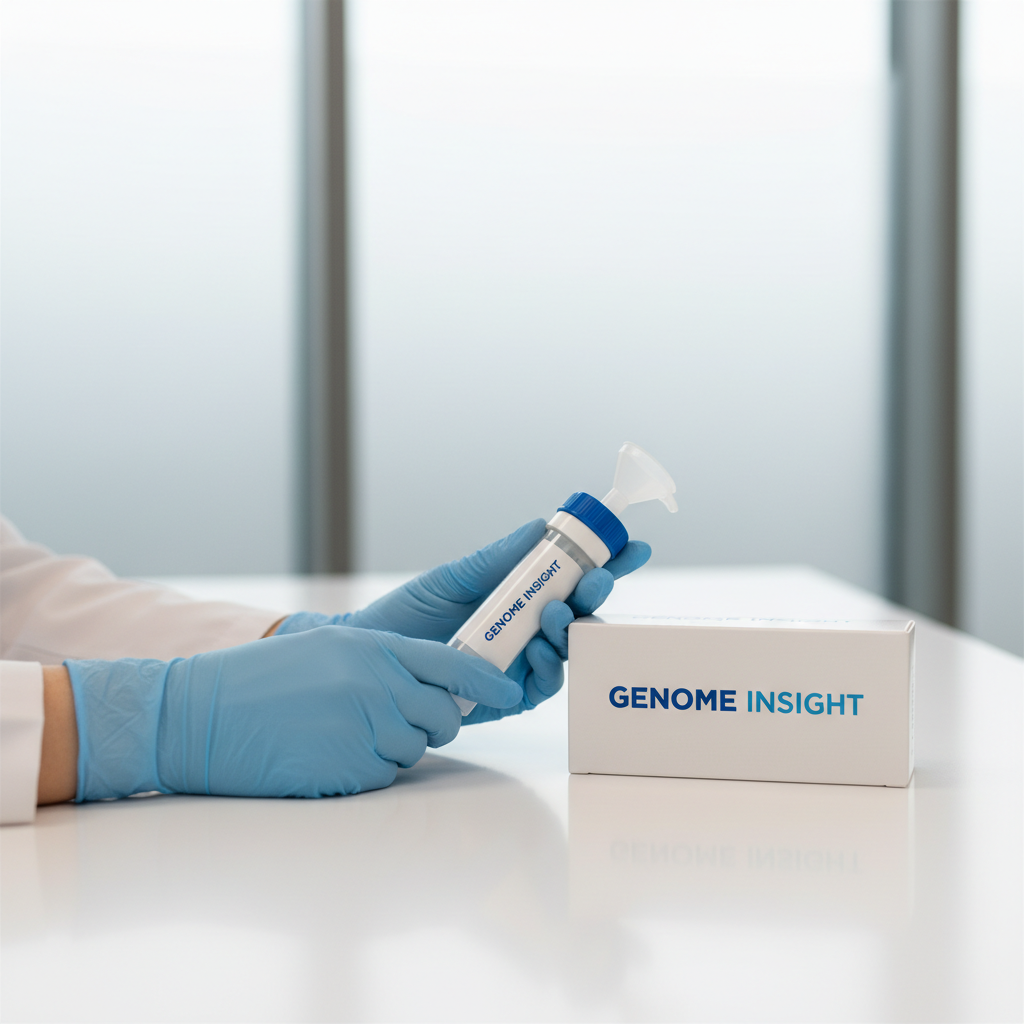
The Science of DNA Matching
At the core of DNA paternity testing is the comparison of genetic markers. DNA is composed of sequences of four chemical bases: adenine (A), cytosine (C), guanine (G), and thymine (T). Specific sequences, known as loci, are examined for matches. Each person inherits half of their DNA from their mother and half from their father, making these tests a reliable method for determining paternity.
Typically, a DNA paternity test analyzes 15 to 20 loci. For a test to confirm paternity, the child's DNA must match the alleged father's DNA at enough loci to account for paternal inheritance.
Accuracy and Reliability
DNA paternity tests are incredibly accurate, often with a probability of paternity exceeding 99.9%. The high level of precision is due to the number of loci examined and the sophisticated technology used in modern laboratories. However, accuracy can be affected by factors such as sample contamination or errors in the testing process.

Potential for Errors
While rare, errors can occur in DNA testing. These may arise from human mistakes, such as mislabeling samples or failing to follow proper protocols. Moreover, biological anomalies, such as mutations or chimerism, can complicate results. It is crucial to use accredited laboratories to minimize these risks.
Reputable labs follow strict procedures and have robust quality control measures in place to ensure the integrity of the test results. Therefore, choosing a certified testing facility is essential for obtaining accurate and reliable results.

Understanding Results
Once the test is completed, the results are typically presented in a report that indicates the probability of paternity. A result of 99.9% or higher is generally considered conclusive. However, a result below this threshold may require further testing or consultation with a genetic counselor.
It's important to note that while DNA paternity tests can establish a biological relationship, they do not provide information about the nature of personal or social relationships. These tests are a tool for understanding genetics, not for defining familial bonds.
Legal and Personal Considerations
DNA paternity tests can have significant legal and personal implications. In legal cases, such as child support or custody disputes, these tests can serve as critical evidence. It is important to understand the legal requirements and implications of obtaining a DNA paternity test in your jurisdiction.
On a personal level, the results can impact family dynamics, potentially leading to emotional challenges. Counseling and support may be beneficial for individuals undergoing testing to help navigate the emotional landscape.
In summary, DNA paternity tests are a highly accurate and reliable means of determining biological relationships. By understanding the science and potential implications, individuals can make informed decisions about their testing options.