
Understanding Court-Ordered Drug Testing in Old Bridge: What You Need to Know
Introduction to Court-Ordered Drug Testing
In Old Bridge, as in many places, court-ordered drug testing is a crucial component of the legal process, often used to ensure compliance with legal and rehabilitation requirements. Whether you're directly involved or supporting someone who is, understanding how these tests work can make the process less daunting.
Court-ordered drug testing can be mandated for various reasons, including probation, custody disputes, or as part of a rehabilitation program. Knowing what to expect can help individuals prepare and comply effectively.

Types of Court-Ordered Drug Tests
There are several types of drug tests that may be ordered by the court, each serving different purposes and offering distinct advantages. The most common tests include:
- Urine Test: Widely used due to its accuracy and cost-effectiveness.
- Hair Follicle Test: Can detect drug use over a longer period, providing a more comprehensive history.
- Blood Test: Highly accurate, often used in more serious cases.
- Saliva Test: Less invasive, detecting recent drug use.
The type of test ordered will depend on the specific circumstances and requirements set by the court.
The Testing Process
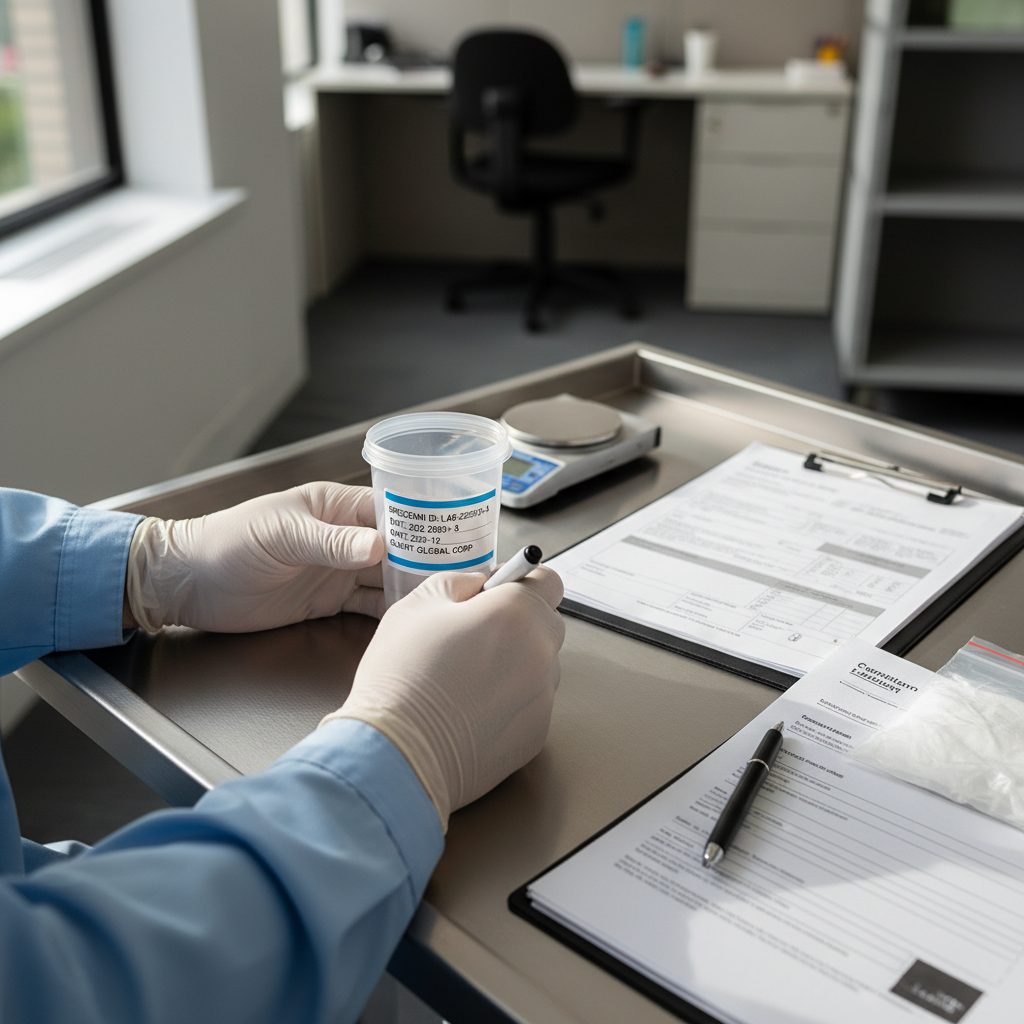
The process for court-ordered drug testing in Old Bridge typically involves several steps. First, an individual will receive a notice to appear for testing, outlining the time and location. It is essential to follow these instructions precisely to avoid any legal complications.
On the day of the test, individuals should bring valid identification and any required documentation. The testing process is usually straightforward, but it's important to ask questions if anything is unclear.
Legal Implications of Non-Compliance
Failing to comply with court-ordered drug testing can have serious legal consequences. Non-compliance may result in penalties such as fines, extended probation, or even incarceration. It's crucial to adhere to all requirements and seek legal advice if there are concerns about compliance.
Being proactive and understanding the legal implications can help individuals avoid unnecessary legal troubles and ensure they meet all court requirements.
Resources and Support
There are resources available for those undergoing court-ordered drug testing in Old Bridge. Local support groups, legal advisors, and rehabilitation centers can offer guidance and assistance throughout the process. Seeking support can make a significant difference in navigating these challenging situations.

Conclusion
Understanding court-ordered drug testing in Old Bridge is essential for anyone involved in the legal process. By familiarizing yourself with the types of tests, the testing process, and the legal implications of non-compliance, you can navigate this complex area with greater confidence. Remember, seeking support and staying informed are key steps in ensuring your rights and responsibilities are upheld.